Our Story
The steadfast love of the LORD never ceases; his mercies never come to an end; they are new every morning; great is your faithfulness.
CFE story or journey
Since 1976 CFE has focused on wholistic mission as a basis for the spiritual transformation and socio-economic well-being of its members. Especially in the last 25 years, CFE has transformed the understanding of mission to mean the proclamation of the gospel inextricably linked to dealing with societal issues that have kept people in hunger, disease, poverty and other forms of indignity. Since its inception, CFE has adopted Discipleship as a model for spiritual nurturing, this has meant enabling Christians to grow in their faith with a central focus on the Bible. Training on different topics takes place in congregations through;
- Monthly workers meetings
- workers’ seminars
- participation in conferences
- church planting
Communal prayer for local communities, the country and the nations is a central part of CFE’s ministry. A day of prayer and Fasting every week for all congregation has been going on for over 40 years. It is during the process of prayer that all issues affecting society are collectively brought before God. This has been part of the process that has enabled CFE to keep in touch with the socio-economic realities of the communities where the churches are based.
It is worth noting that family well-being is at the centre: The spiritual growth, gender and generational dynamics in relation to family resources and, food security, economic well-being through stewardship of resources and economic productivity have been part of the discipleship model.
The church ministry includes awareness of the socio-economic realities of the communities around the congregation, praying over them and taking action to respond
CFE’s action is built on the foundation of the understanding of the transformative nature of the gospel of the risen Christ and the work of the Holy Spirit who works in the lives people of multiple socio-economic backgrounds to inspire action for abundance of life.
or now we see only a reflection as in a mirror; then we shall see face to face. Now I know in part; then I shall know fully, even as I am fully known.
CFE’s Journey in responding to socio-economic realties
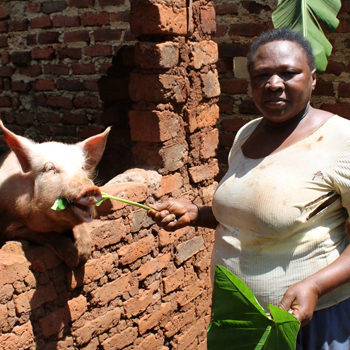
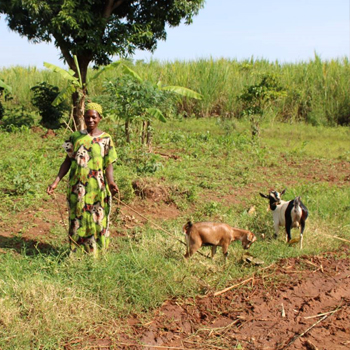
Mobilization for agricultural productivity CFE has been deeply concerned about the situation of poverty in the church and the wider society. In the earlier days of CFE’s engagement, the focus was on ending poverty among the church members. The interventions focused on mobilizing church members to be more productive in terms of agricultural output and to a certain extent small enterprise. The wellbeing of the family was at the centre of the mobilisation.
Mission as a Conscientisation Process in Community Mobilisation
In 1998 a team from the then Programme for Participatory Development at the OAIC Secretariat visited Busalamu. A community meeting was held during the visit. What the OAIC and CFE received from the people was a list of development initiatives that they wanted the OAIC to implement for them. This is what the people in the community perceived as the path to development i.e., external projects[1]. What the OAIC realised was that people were trampling on their potential and resourcefulness and stretched out their arms as needy and waiting for external solutions to their development issues. The support that came from the OAIC was in the form of a community facilitation process that enabled people to bring to the surface their resourcefulness as well as their problems and challenges. This process was transformative: over 40 villages in the pilot sub-county were mobilised; multiple issues such as improvement of agricultural yields, engagement of the local government at the local level; the mobilisation of multiple faith communities to have a conversation on the well-being of the community; and the mobilisation of women for leadership roles. Some of the most effective people who are still active in their churches and communities are students of this process. Over 20 years on, they have laid their hand on the plough and they have never looked back.
or now we see only a reflection as in a mirror; then we shall see face to face. Now I know in part; then I shall know fully, even as I am fully known.
Establishment of a Projects Section in CFE
By the beginning of the decade 2000 CFE had expanded its work in the community in responding to HIV and AIDS. This is what attracted the attention of external partners. This is how CFE moved into the arena of externally funded projects. This phase has enabled CFE to move to a highly structures way of doing development; the church is building and running schools; the church has fully paid staff; the church has built houses for people who are vulnerable to poor housing; the church runs a budget for community level interventions, to mention a few. As a result, CFE is a major player in development in the region. While these are major achievements, which should be celebrated and sustained, CFE recognises the shift-in its response to poverty-that has happened in the last 12 years of intensive implementation of externally funded